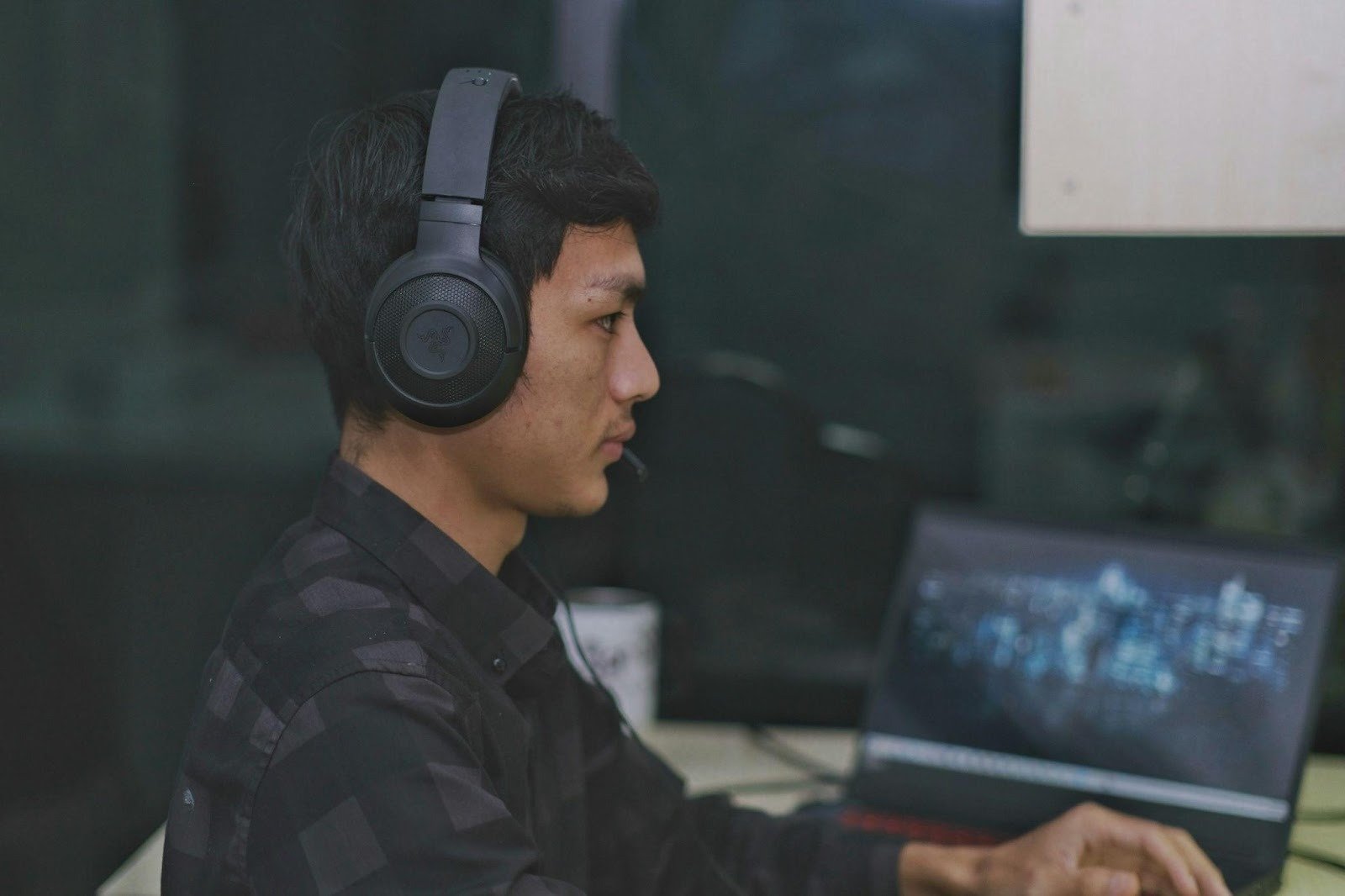
Esports in the Philippines didn’t arrive as a single big bang. It accumulated, embodied in LAN nights, computer shops, and neighborhood rivalries, until a sense suddenly came that the whole country was watching the same match on the same small screen. Early amateur esports tournaments in the Philippines can be traced to internet cafés, and smartphones and mobile internet helped drive the surge in popularity of mobile games.
By 2026, competitive gaming sits comfortably beside basketball and boxing as a mainstream habit: something you watch, argue about, and follow in real time, even if you never touch a mouse.
From computer shops to packed brackets
Before arenas, LED walls, and sponsor banners, there were rows of PCs and the soft chaos of a “next game” list taped to a counter. Early local tournaments were often held in Metro Manila’s internet cafés, where a bracket could be run with nothing more than a printer, a stopwatch, and a staff member who knew how to settle arguments fast.
That physical closeness mattered. It turned competition into a shared room experience: you didn’t just play, you performed under witnesses who could see your hands shake on a final round and hear the tiny sigh that means a player is about to tilt. People learned spectatorship early in those tight spaces, and they knew it together, shoulder-to-shoulder, reacting in one collective wave.
Everybody’s sport
The leap from niche to mainstream was helped by the device already in everyone’s hands. The early 2020s popularity spike was driven by smartphones and mobile internet, with Mobile Legends and PUBG Mobile emerging as key mobile esports titles in the country.
A phone that can stream a match, join a group chat, and clip a highlight can also host modern leisure in smaller doses. That’s why services like online casino PH often appear on the same everyday menu of taps and swipes, which is another form of quick, on-demand entertainment that fits around commutes, breaks, and late-night downtime rather than requiring a whole evening.
Leagues that made it feel official
Local prestige becomes national when the competition has a calendar, a broadcast rhythm, and stakes that ladder upward. MPL Philippines (Mobile Legends: Bang Bang Professional League Philippines) is the premier professional MLBB league in the country and an official qualification pathway to international events such as the Mid-Season Cup and the World Championship.
That structure creates a story fans can follow week to week: roster changes, rivalries, and the slow drama of a team learning how to win under pressure. It also gives aspiring players a map. You don’t have to imagine the path; you can see it.
Streams, clips, and the fan-made broadcast
Philippine esports fandom is intensely interactive. Matches don’t end when the final screen appears; they continue as reactions, memes, breakdown threads, and replay clips that reshape the narrative by the hour. The national team brand “Sibol” (Team Sibol) exists because esports became part of the region’s major multi-sport stage, with the Philippines formalizing a national team for the SEA Games ecosystem.
Sports habits also cross-pollinate. The same friend group that debates rotations in MLBB will sometimes check PBA odds before a basketball tip-off, then swing back to esports brackets, treating numbers and narratives as two parallel ways of talking about competition, where one is emotional, another is statistical, and both are social.
Cafés, campuses, and the local ladder
Even with mobile dominance, the café scene still matters for competitive culture because it offers the conditions that serious practice needs: high-end PCs, stable setups, and a semi-structured environment where “one more game” becomes a practice block with a start and finish. It’s also publicly useful. Grinding alone at home can drift into mindless repetition; grinding in a café keeps you accountable, because someone is always watching, listening, comparing, and asking who you scrimmed and what you changed. The room becomes a low-cost training ecosystem: teammates can review plays on the spot, friends can stand in as sparring partners, and habits start to feel like routines rather than random effort.
Moreover, campus and youth competitions continue to widen the funnel, giving players a bridge between “I’m good online” and “I can handle organized matches.” Programs such as AcadArena and its Alliance Games help formalize inter-school competition, turning student play into something closer to an extracurricular track: sign-ups, schedules, team roles, community coverage, and the feeling that competitive gaming can be a real campus identity rather than a hobby hidden after class.
Betting joins the bracket talk
Esports is entertainment, and in 2026, some fans add a small, controlled wagering layer the same way they might play fantasy sports: as an extra reason to pay attention to drafts, map pools, and momentum swings. The healthier version stays modest and rule-based, with limits being set before the match, no chasing losses, and plenty of games watched with zero bets placed.
For people who choose that route, signing up through MelBet registration Philippines can align with the same mobile-first habits that power modern fandom, namely live streams, match alerts, and community chats. It happens so long as discipline stays louder than impulse. Betting can be part of the ecosystem without becoming its center.
A community moment
The Philippines didn’t “discover” esports by accident. It built it through places (computer shops, cafés), pathways (local leagues and qualifiers), and platforms that reward constant conversation. The country’s esports identity has expanded beyond local brackets, with Filipino teams also competing on major regional stages, such as the SEA Games Mobile Legends, where the Philippines has won gold.
The story in 2026 is less about a single game title and more about a habit of engagement: watch together, talk together, remix the moment, and come back tomorrow for another match.